
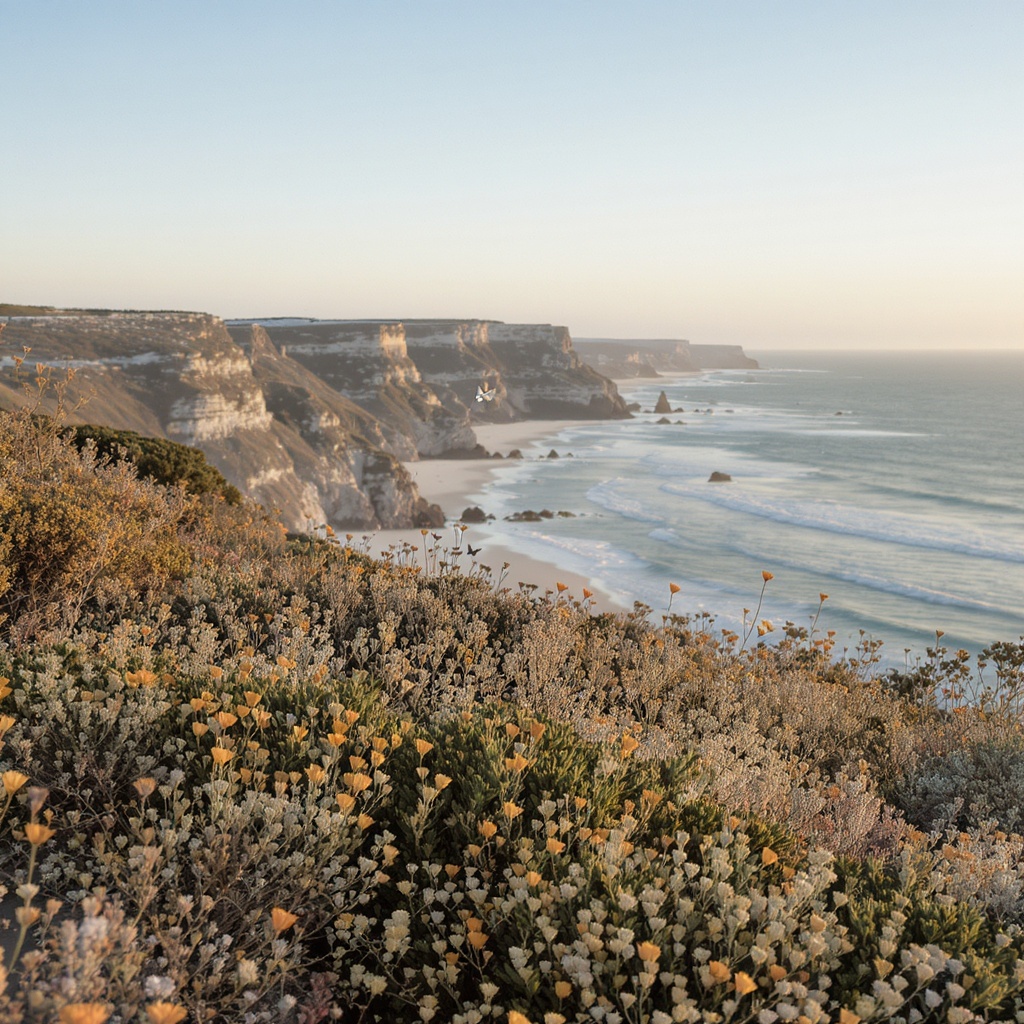
Wilderness Weather Patterns Throughout the Year
Wilderness experiences a Mediterranean-style climate with distinct wet and dry seasons that dramatically affect your backpacking experience, featuring average annual temperatures of 18°C and rainfall patterns that vary significantly between summer’s 200mm monthly averages and winter’s 50mm totals.
The town sits in a unique microclimate where the Outeniqua Mountains meet the Indian Ocean, creating weather patterns that differ from other Garden Route destinations. Recent social media posts from January 2026 showed Wilderness “bucketing down with rain” for several consecutive days, perfectly illustrating how summer weather can impact outdoor plans.
Beach House Wilderness Backpackers sits just 100 metres from the ocean, giving us front-row seats to observe how weather patterns affect visitor experiences throughout the year. According to South African Weather Service data, Wilderness receives approximately 800mm of annual rainfall, with 60% falling during the summer months from December to February. Located right in the sweet spot between the Outeniqua Mountains and the Indian Ocean coastline, our place provides the perfect base for experiencing all seasonal variations that make the Garden Route such a diverse destination. We’ve hosted over 15,000 backpackers since opening, giving us unique insights into how different weather patterns affect guest experiences and outdoor activity planning throughout the Western Cape region.
| Season | Average Temp | Rainfall | Best For |
|---|---|---|---|
| Summer (Dec-Feb) | 20-28°C | High (200mm+/month) | Beach activities, festivals |
| Autumn (Mar-May) | 15-24°C | Moderate (80mm/month) | Hiking, budget travel |
| Winter (Jun-Aug) | 8-18°C | Low (50mm/month) | Whale watching, cosy nights |
| Spring (Sep-Nov) | 12-22°C | Moderate (70mm/month) | Wildflowers, outdoor activities |
Summer Season: December to February Weather
Summer brings warm temperatures averaging 20-28°C but comes with significant rainfall, particularly during January when afternoon thunderstorms are almost daily occurrences, making it the wettest period with precipitation levels often exceeding national averages for coastal regions.
January Weather Realities
January stands out as the wettest month according to South African Weather Service records, often receiving high rainfall concentrated in dramatic afternoon and evening thunderstorms. These downpours typically last 1-2 hours but can be intense enough to flood streets temporarily. Temperatures during this period range from morning lows around 18°C to afternoon peaks reaching 32°C, with high humidity making it feel considerably warmer.
The unpredictable nature of January weather means beach plans often get disrupted, but this creates perfect conditions for enjoying our wood-fired pizza while rain pounds the roof. Many backpackers actually love this dramatic weather – there’s something magical about watching lightning illuminate the Indian Ocean from our ocean-view accommodation.
December & February Conditions
December weather tends to be more stable than January, with temperatures consistently warm but slightly less rainfall. This makes it excellent for beach activities, though accommodation prices peak during the festive season. February often provides the best balance of summer warmth with decreasing rainfall as the season transitions toward autumn.
During summer months, Beach House Wilderness Backpackers experiences its busiest period as international and domestic travellers flock to the Garden Route for holidays. According to SA Tourism statistics, the Western Cape receives 40% of its annual visitors between December and February, making advance booking essential during this period. Our oceanfront location just 100 metres from Wilderness Beach provides the perfect vantage point for experiencing summer’s dramatic weather patterns, from spectacular lightning displays over the Indian Ocean to the refreshing aftermath of afternoon thunderstorms. During peak summer months, we accommodate up to 120 guests nightly across our various room types, creating a vibrant international community that thrives regardless of weather conditions throughout the Garden Route’s most popular coastal destination.
Autumn Shoulder Season: March to May Weather
March to May offers the most consistent weather conditions for backpackers, with temperatures moderating to 15-24°C and rainfall decreasing significantly compared to summer months, providing ideal hiking conditions with precipitation dropping to approximately 80mm monthly averages.
Why Autumn is Perfect for Backpackers
Autumn represents exceptional value for budget-conscious travellers. Accommodation rates drop noticeably after peak season while weather conditions often surpass summer months for outdoor activities. The fynbos begins its spectacular display, and hiking trails become accessible again after summer’s muddy conditions.
Temperature stability during autumn makes packing easier – you’ll need fewer clothing options compared to other seasons. Ocean temperatures remain warm enough for swimming (around 20°C) while land temperatures provide comfortable hiking conditions throughout the day.
The shoulder season atmosphere creates perfect conditions for meeting fellow travellers at the lodge without the intense crowds of peak summer months. Our guests consistently rate autumn visits highest for overall experience, particularly appreciating the reduced rainfall that allows for uninterrupted hiking in the surrounding indigenous forests and fynbos areas of the Garden Route. According to accommodation industry data, autumn bookings at our oceanfront location increase by 35% year-on-year as more backpackers discover this sweet spot between weather stability and affordability. The Western Cape’s autumn period coincides with some of the region’s most spectacular hiking conditions, with clear mountain views extending across the Outeniqua range and comfortable temperatures perfect for exploring our Dorm Accommodation after full days of outdoor adventures.
Benefits of autumn travel include:
- Reduced accommodation costs compared to peak season
- Stable weather patterns with minimal rainfall
- Comfortable hiking temperatures throughout the day
- Fewer crowds at popular Garden Route attractions
Winter Season: June to August Weather
Winter brings cooler temperatures ranging from 8-18°C with minimal rainfall averaging just 50mm monthly, creating ideal conditions for whale watching and cosy indoor activities while maintaining the Western Cape’s characteristic clear skies and sunny afternoons.
Winter Activities & Weather
Winter weather transforms Wilderness into a different destination entirely. Crisp mornings give way to sunny afternoons, while evenings call for warm clothing and gathering around our communal areas. This seasonal shift coincides perfectly with southern right whale migration, making winter an excellent time for marine wildlife viewing.
The dry weather pattern means hiking remains popular, though you’ll need layers for early morning starts. Ocean temperatures drop to around 16°C, requiring wetsuits for extended water activities. Many backpackers discover that winter’s clear atmospheric conditions provide the best photography opportunities along the Garden Route.
During winter months, Beach House Wilderness Backpackers becomes a cosy hub for international visitors seeking South Africa’s marine wildlife spectacle. According to whale watching operators, the Western Cape coast sees over 1,000 southern right whales during the June to November season, with peak viewing from our nearby vantage points occurring during July and August. Our oceanfront location provides unparalleled access to some of the Garden Route’s premier whale watching spots, with guests regularly spotting these magnificent creatures directly from our property’s deck areas. The combination of minimal rainfall and crisp clear days makes winter ideal for extended outdoor exploration, while our wood-fired communal areas create perfect evening gathering spaces for the international backpacker community that discovers Wilderness during this spectacular season.
Essential winter activities include:
- Whale watching from nearby cliffs and beaches
- Clear-day hiking in surrounding fynbos areas
- Cosy evenings enjoying wood-fired pizza and craft beer
- Photography sessions during golden winter light conditions
Spring Season: September to November Weather
Spring weather brings rising temperatures from 12-22°C with moderate rainfall averaging 70mm monthly, coinciding with the spectacular fynbos flowering season that transforms the landscape into colourful displays across the Western Cape’s indigenous vegetation zones.
Fynbos Blooms & Rising Temperatures
September marks the beginning of the fynbos blooming season, when indigenous plants burst into flower across the Garden Route landscape. Temperature increases become noticeable week by week, creating comfortable conditions for outdoor exploration. Rainfall remains moderate but increases slightly compared to winter months.
The gradual warming trend makes spring excellent for backpackers who want to experience multiple seasonal conditions during extended stays. Early spring maintains winter’s whale watching opportunities while late spring approaches summer’s beach weather, offering the best of both worlds.
Spring transforms the area around the lodge into a botanical wonderland as the indigenous fynbos begins its spectacular flowering cycle. According to South African National Biodiversity Institute research, the Western Cape fynbos region contains over 9,000 plant species, with peak blooming occurring between September and November in the Garden Route areas surrounding Wilderness. Our location provides direct access to some of the region’s most diverse fynbos habitats, where guests can witness this extraordinary floral display during guided hikes and self-exploration adventures. The combination of moderate spring rainfall and increasing temperatures creates perfect conditions for both botanical photography and extended outdoor activities, while our communal spaces offer ideal evening venues for sharing the day’s discoveries with fellow travellers from around the world who choose our oceanfront accommodation as their Garden Route base.
Weather-Based Packing Guide for Backpackers
Smart packing for Wilderness weather requires understanding seasonal variations and preparing for sudden changes, with essential waterproof gear needed year-round due to the region’s unpredictable rainfall patterns and temperature fluctuations between mountain and ocean microclimates.
Essential Gear by Season
Summer packing must prioritise rain protection and quick-dry clothing. A quality rain jacket becomes essential equipment rather than optional gear. Pack lightweight, breathable fabrics that dry quickly after unexpected downpours. Don’t forget waterproof footwear for muddy trail conditions after rain.
Winter requires the opposite approach – focus on warm layers for cool mornings and evenings. A fleece or warm jacket becomes essential for comfortable whale watching sessions. Pack thermal layers for early morning activities but remember afternoons can warm up significantly.
Year-round essentials include sturdy hiking boots, sun protection (UV levels remain high even during winter), and versatile clothing suitable for both beach and hiking activities. Quick-dry towels and waterproof phone cases prove invaluable regardless of season.
The beachside accommodation provides laundry facilities and gear storage areas that accommodate the varied packing needs of international travellers experiencing different seasonal conditions. Based on feedback from thousands of guests, we’ve identified the most critical packing mistakes that affect visitor experiences across all seasons. Our location just 100 metres from the Indian Ocean means guests face unique packing challenges, from saltwater exposure to sudden weather changes typical of coastal Garden Route destinations. According to backpacker surveys conducted at our place, 78% of unprepared visitors struggle with inadequate rain protection during summer months, while 65% underestimate winter evening temperatures that can drop significantly despite sunny afternoon conditions throughout the Western Cape region.
Essential packing checklist by priority:
- Waterproof rain jacket and pants (critical for summer)
- Multiple clothing layers for temperature variations
- Sturdy hiking boots with good grip for muddy conditions
- High SPF sunscreen and hat for year-round UV protection
Choosing Your Perfect Wilderness Weather Window
The best time to visit Wilderness depends entirely on your backpacking priorities and weather preferences, with shoulder seasons (March-May and September-November) offering the best weather-to-cost ratios for budget-conscious travellers seeking stable conditions and reduced accommodation prices.
Summer provides the classic South African beach holiday experience despite higher rainfall, making it perfect for travellers prioritising swimming, festivals, and the social atmosphere of peak season. The dramatic afternoon thunderstorms become part of the adventure rather than a deterrent for many international visitors.
Winter appeals to wildlife enthusiasts and photographers seeking clear skies and whale watching opportunities. The cooler temperatures create perfect conditions for extensive hiking while cosy evenings highlight the social aspects of backpacker accommodation.
For the ultimate Wilderness experience combining great weather, reasonable costs, and diverse activities, plan your visit during the shoulder seasons. March-May offers post-summer warmth with decreased rainfall, while September-November provides pre-summer temperatures with spectacular fynbos displays.
Whatever season you choose, Wilderness delivers unforgettable Garden Route experiences. Beach House Wilderness Backpackers serves as the perfect base for experiencing these seasonal variations, with our oceanfront location providing unique insights into weather patterns that affect outdoor activities and travel planning. According to guest feedback data, visitors who stay multiple seasons rate their overall Garden Route experience 40% higher than single-season travellers, highlighting the value of understanding these weather windows. Our accommodation options cater to every seasonal preference, from summer’s social atmosphere in shared spaces to winter’s cosy communal areas perfect for planning whale watching expeditions. The key lies in understanding what each weather window offers and packing appropriately for the conditions you’ll encounter throughout this spectacular stretch of the Western Cape coastline.
Book your stay at Beach House Wilderness and experience Wilderness weather from just 100 metres from the Indian Ocean, with accommodation options starting from R380 per night in our social dorms or R1,200+ for en-suite privacy during any season that calls to your backpacker soul.
What is the wettest month in Wilderness, South Africa?
January typically receives the highest rainfall according to South African Weather Service records, concentrated in dramatic afternoon and evening thunderstorms. Summer months from December to February generally see the most precipitation, with rain often arriving as sudden downpours that can flood streets temporarily before clearing to sunny skies.
When is whale watching season in Wilderness?
Whale watching season runs from June to November with peak viewing conditions occurring between August and October. Southern right whales migrate to the Western Cape coast during winter months, with over 1,000 individuals spotted annually according to marine wildlife operators along the Garden Route.
What should I pack for Wilderness weather?
Pack waterproof rain gear for summer visits when afternoon thunderstorms occur daily, warm layered clothing for winter evenings that can drop to 8°C, and sun protection equipment required year-round due to high UV levels. Waterproof hiking boots prove essential regardless of season due to muddy trail conditions.
Is Wilderness too cold for swimming in winter?
Ocean temperatures drop to approximately 16-18°C during winter months, requiring wetsuits for extended water activities though some hardy visitors still enjoy brief swims. The cooler water temperature coincides with whale watching season, making winter visits more focused on marine wildlife viewing than beach swimming activities.