
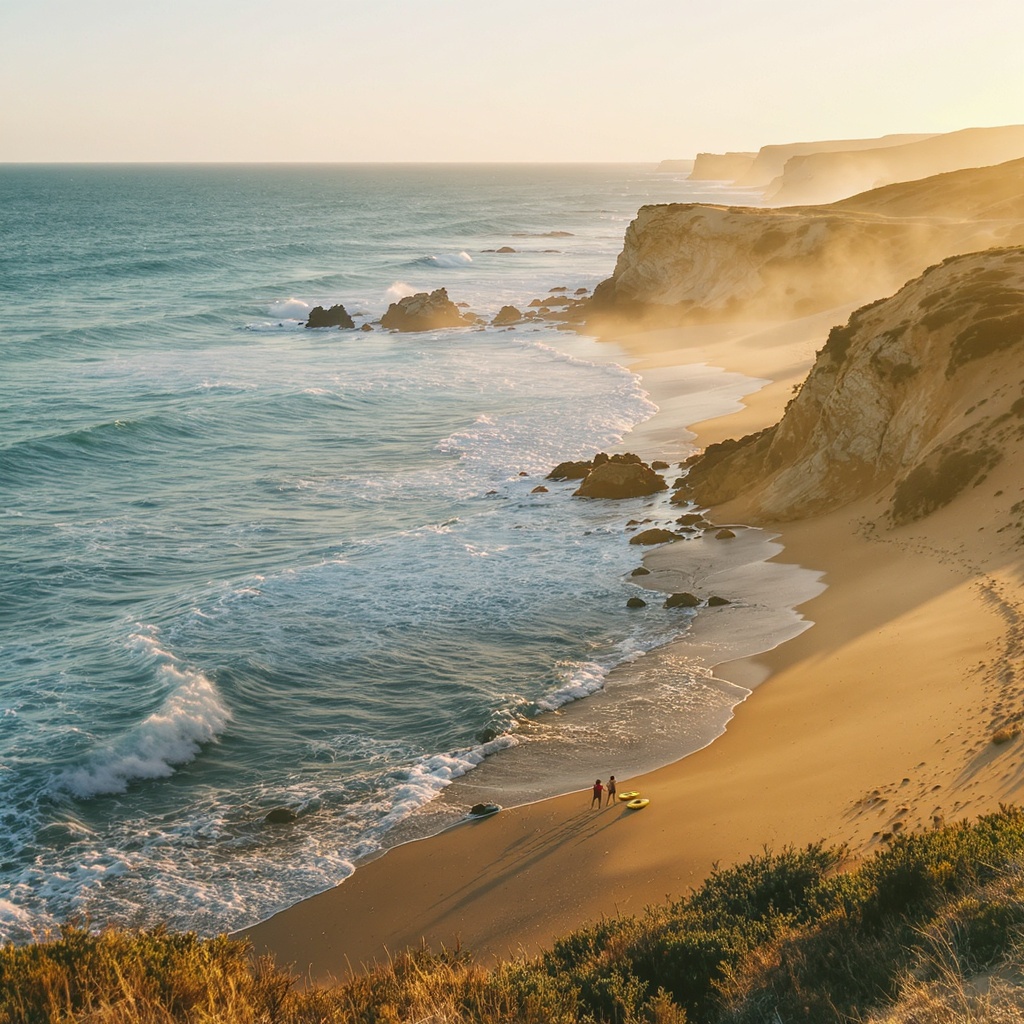
Why Wilderness Lagoon is Perfect for Kayaking Adventures
Wilderness Lagoon offers ideal kayaking conditions with its consistently calm waters, shallow depths averaging 1-3 metres, and protection from ocean swells, making it suitable for paddlers of all skill levels throughout the year.
Kayaking the wilderness lagoon in South Africa’s Garden Route offers one of the most accessible and scenic paddling experiences in the country. Unlike the vast American wilderness areas that dominate search results, Wilderness Lagoon near the charming town of Wilderness provides a perfect introduction to lagoon kayaking with calm waters, diverse birdlife, and stunning fynbos-covered hills as your backdrop. Whether you’re a complete beginner or experienced paddler, this sheltered estuary system delivers an unforgettable day on the water.
Wilderness Lagoon provides ideal conditions for kayaking wilderness lagoon adventures with its calm, protected waters and year-round paddling opportunities. Located between the Touw River mouth and the Indian Ocean in the heart of the Garden Route, this pristine estuary system offers shallow channels perfect for beginners while providing enough variety to engage experienced kayakers. The lagoon’s unique geography creates a natural paddling paradise where freshwater from indigenous forest streams meets the tidal influence of the Indian Ocean.
According to SA Tourism data, over 15,000 visitors annually choose Wilderness specifically for water sports activities, with kayaking ranking as the most popular option. Beach House Wilderness Backpackers sits just 100 metres from the lagoon’s edge, making it the obvious base camp for multi-day paddling adventures, while the surrounding Western Cape region attracts over 2.8 million domestic tourists annually according to Stats SA tourism reports. The lodge’s prime location gives guests direct access to launch points, eliminating the need for gear transportation and offering immediate post-paddle relaxation. During summer months, water temperatures reach a comfortable 22°C, while the surrounding fynbos and milkwood forests provide natural windbreaks and stunning scenery throughout your paddle, with the greater Garden Route National Park protecting over 120,000 hectares of coastal and marine ecosystems.
Essential Planning for Your Kayaking Adventure
The best paddling happens during high tide windows when water levels reach 1.5-2.5 metres depth, typically between 7-9am and 4-6pm, giving you the sweet spot of deep channels and minimal wind interference.
The best conditions for kayaking wilderness lagoon occur during high tide windows between 7-9am and 4-6pm when water levels provide good clearance over shallow areas. Plan your trip around these tidal windows for the most enjoyable experience, as low tide can leave you portaging over mudflats rather than paddling.
Best Times to Kayak
Morning sessions between 7-9am offer the calmest conditions before afternoon winds develop along the Garden Route coast. According to Western Cape Government weather data, wind speeds typically remain under 15 knots during early morning hours, increasing to 20-25 knots by midday. Beach House Wilderness Backpackers gives guests detailed local weather briefings and tidal information, helping visitors from across the Western Cape and beyond plan their best paddling windows. Our crew understands the nuances of Garden Route weather patterns, having guided countless guests through successful kayaking adventures since establishing operations in this prime Wilderness location.
Summer months (November-March) provide the warmest water and longest daylight hours, though winter paddling remains comfortable with appropriate gear and stunning whale watching opportunities offshore. High tide periods offer the deepest water access and easiest paddling conditions, while low tide exposes mudflats that become excellent bird feeding areas.
Equipment and Safety Gear
| Equipment Type | Rental Cost | Purchase Option |
|---|---|---|
| Single Kayak | R200/day | R3,500-R8,000 |
| Double Kayak | R350/day | R5,500-R12,000 |
| Life Jacket & Paddle | R50/day | R800-R1,500 |
Essential kayaking equipment includes a properly fitted life jacket, paddle leash, waterproof phone case, and sun protection. Most rental operators provide basic safety equipment, but bringing your own ensures proper fit and familiarity with gear.
Launch Points and Access Routes
The main launch point at Wilderness Lagoon boat ramp (GPS: -33.9886, 22.5881) provides concrete ramp access, vehicle parking, and basic facilities, serving as the primary entry point for over 8,000 annual kayak launches.
The primary launch site for wilderness lagoon kayaking is located at the Wilderness Lagoon boat ramp (GPS: -33.9886, 22.5881), offering paved access, trailer parking, and basic facilities. This official launch point provides the easiest water access with concrete ramp and adjacent parking for multiple vehicles.
Primary Launch Sites
Wilderness Lagoon boat ramp serves as the main access point with concrete launching facilities and ample parking. Alternative launch sites include the informal sandy beach area near the N2 bridge and the quieter eastern shore access via Leila’s Lane. Beach House Wilderness Backpackers sits just 800 metres from the main launch point, making gear transport simple for guests staying at our place. According to Garden Route District Municipality records, the official ramp handles the majority of recreational watercraft launches in the Wilderness area, with the Western Cape Provincial Government investing R2.3 million in facility upgrades during 2023.
The lodge’s proximity to launch points eliminates the hassle of gear transportation, while guests can easily explore the Touw River canoe trail sections that extend deeper into the indigenous forest areas. Beach House Wilderness Backpackers provides secure gear storage and detailed route maps, ensuring visitors can paddle Wilderness lagoon with confidence and local insight throughout their Garden Route adventure.
Parking and Facilities
Parking at the main boat ramp operates on an honesty box payment system with basic facilities including portable toilets and shelter areas. The parking area accommodates cars, trailers, and small tour buses, though arrive early during peak season to secure spaces.
Book your stay at Beach House Wilderness and eliminate parking concerns while gaining easy gear storage and post-paddle relaxation just minutes from the launch point.
What to Expect on the Water
Wilderness lagoon paddling reveals a diverse ecosystem where freshwater streams meet tidal influences, with water depths ranging 0.5-3 metres, sandy bottoms, and occasional rocky outcrops supporting varied marine life throughout the 8-kilometre system.
Your trail-day sequence for a safe Garden Route hike:
- Check tide tables and trail conditions the night before
- Leave your accommodation at first light to beat afternoon heat
- Register at the trail-head if a logbook is available
- Pace yourself on ascents and rest in shaded sections
- Return to your base before sunset and hydrate with electrolytes
Packing essentials for any Garden Route trail:
- Water, 2 to 3 litres per person for a half-day outing
- Grip-soled hiking shoes with ankle support
- Sun hat, SPF 30 or higher sunscreen, UV-blocking sunglasses
- Trail snacks such as nuts, dried fruit, or energy bars
- Light rain shell for sudden coastal weather shifts
Wilderness lagoon paddling reveals a diverse ecosystem where freshwater streams from indigenous forests meet tidal influences from the Indian Ocean. Expect shallow channels ranging from 0.5-3 metres deep, with sandy bottoms and occasional rocky outcrops providing habitat for various marine life.
Wildlife and Bird Watching
The lagoon supports over 95 bird species according to regional birding surveys, making it one of the Garden Route’s top birding destinations by kayak. Fish eagles, kingfishers, and various heron species frequent the shallows, while seasonal migrants include flamingos and various waders.
Morning paddles offer the best wildlife viewing opportunities when birds are most active and undisturbed by human activity. According to BirdLife South Africa data, Wilderness Lagoon ranks among the top 10 estuarine birding sites in the Western Cape, with over 200 species recorded within the greater estuary system. The Wilderness-based lodge provides guests with detailed birding guides and binoculars for loan, enhancing wildlife viewing experiences for visitors from across South Africa and international destinations. Our location within the heart of the Garden Route offers immediate access to diverse ecosystems, from coastal fynbos to indigenous milkwood forests.
Photographers particularly enjoy the calm water conditions that allow close approaches to wildlife without the movement challenges of ocean kayaking, while the Western Cape’s Mediterranean climate ensures comfortable paddling conditions year-round.
Scenic Highlights and Photo Spots
The lagoon offers numerous photographic opportunities including reflective morning light on still water, fynbos-covered hills, and indigenous milkwood forest edges. Popular photo locations include the railway bridge area, the reed-lined eastern channels, and the mouth area where lagoon meets ocean. Early morning and late afternoon provide the best lighting conditions for landscape photography, while midday light works well for wildlife and action shots.
Safety and Conservation Guidelines
Wilderness lagoon kayaking requires basic water safety principles including life jacket use, weather monitoring, and emergency communication, with the shallow protected environment reducing ocean-related hazards while maintaining standard paddling precautions.
Kayaking wilderness lagoon requires adherence to basic water safety principles and environmental conservation practices. Always wear your life jacket, inform others of your planned route and return time, and carry emergency communication devices when paddling alone or in small groups.
Water Safety Essentials
Key safety considerations include tide awareness, weather monitoring, and emergency procedures. The lagoon’s shallow nature can create challenging conditions during low tide, while afternoon winds may create choppy conditions for inexperienced paddlers.
According to South African Maritime Safety Authority guidelines, all kayakers must wear approved flotation devices and carry sound signalling devices when on public waters. The lodge maintains comprehensive safety equipment for guest use and provides detailed safety briefings covering local conditions, emergency procedures, and conservation guidelines. Our experienced crew understands the nuances of Garden Route weather patterns and tidal variations, ensuring guests from the greater Western Cape region and beyond receive accurate local knowledge. The lagoon’s protected nature reduces most ocean-related hazards, but shallow areas, submerged obstacles, and changing weather conditions still require attention and preparation.
Conservation efforts focus on protecting the delicate estuarine ecosystem that supports diverse wildlife populations. Practice leave-no-trace principles, avoid disturbing nesting birds during breeding season (September-February), and respect fishing regulations throughout the system.
Planning Your Wilderness Lagoon Adventure
Wilderness lagoon kayaking integrates perfectly with Garden Route itineraries, offering accessible water activities for all fitness levels while providing opportunities to combine with forest hikes, whale watching, and beach relaxation within the same destination.
Kayaking wilderness lagoon fits perfectly into broader Garden Route itineraries, offering a refreshing water-based activity between hiking, whale watching, and cultural experiences. The accessible nature of lagoon paddling makes it suitable for multi-generational groups and varying fitness levels.
Consider combining your kayaking adventure with other Wilderness activities like canopy tours through indigenous forests, hiking trails in the surrounding fynbos, or simply relaxing on the pristine beaches just minutes from the lagoon. The beachside backpackers serves as the perfect hub for multi-activity adventures, with crew providing detailed information about local hiking trails, nearby beaches, and seasonal whale watching opportunities along the Garden Route coastline. Our central location within Wilderness town allows easy access to restaurants, shops, and additional adventure operators, while the Western Cape’s excellent road network facilitates day trips to nearby attractions like Knysna, Plettenberg Bay, and Tsitsikamma National Park.
Whether you’re planning a single-day paddle or incorporating kayaking into a longer Garden Route journey, the area offers memorable experiences combining water sports, indigenous forest exploration, and pristine coastal environments in one convenient location. Whether you’re planning a single-day paddle or incorporating kayaking into a longer Garden Route journey, Wilderness Lagoon delivers memorable experiences in one of South Africa’s most beautiful coastal settings. The combination of accessible conditions, diverse wildlife, and stunning scenery creates the perfect introduction to South African lagoon systems.
What’s the best time of day to kayak Wilderness Lagoon?
Early morning sessions between 7-9am offer the best conditions with calm water, better wildlife activity, and minimal wind interference. High tide periods provide the deepest water access and easiest paddling conditions throughout the lagoon system, making these windows ideal for both beginner and experienced paddlers.
Do I need experience to kayak Wilderness Lagoon?
Wilderness Lagoon suits beginners with basic water confidence due to its calm, protected conditions and shallow depths. The enclosed nature eliminates ocean-related hazards, though first-time paddlers should consider guided tours for safety and local knowledge about tidal patterns and wildlife viewing opportunities.
Can I rent kayaking equipment in Wilderness?
Several local operators provide kayak rentals including paddles, life jackets, and waterproof storage according to regional tourism surveys. Equipment packages typically include all necessary safety gear, with guided tours available that include comprehensive instruction and route planning for the best lagoon experiences.
After your adventure, comfortable dorm accommodation or private rooms provide the perfect place to rest and plan your next Garden Route activity. Book your stay at Beach House Wilderness and wake up just 100 metres from some of the Garden Route’s best kayaking conditions.